
Psari Seafood
A seafood restaurant site with three working parts: a menu the kitchen edits in a spreadsheet, a page that books tables, and delivery orders for a day and time the guest picks.
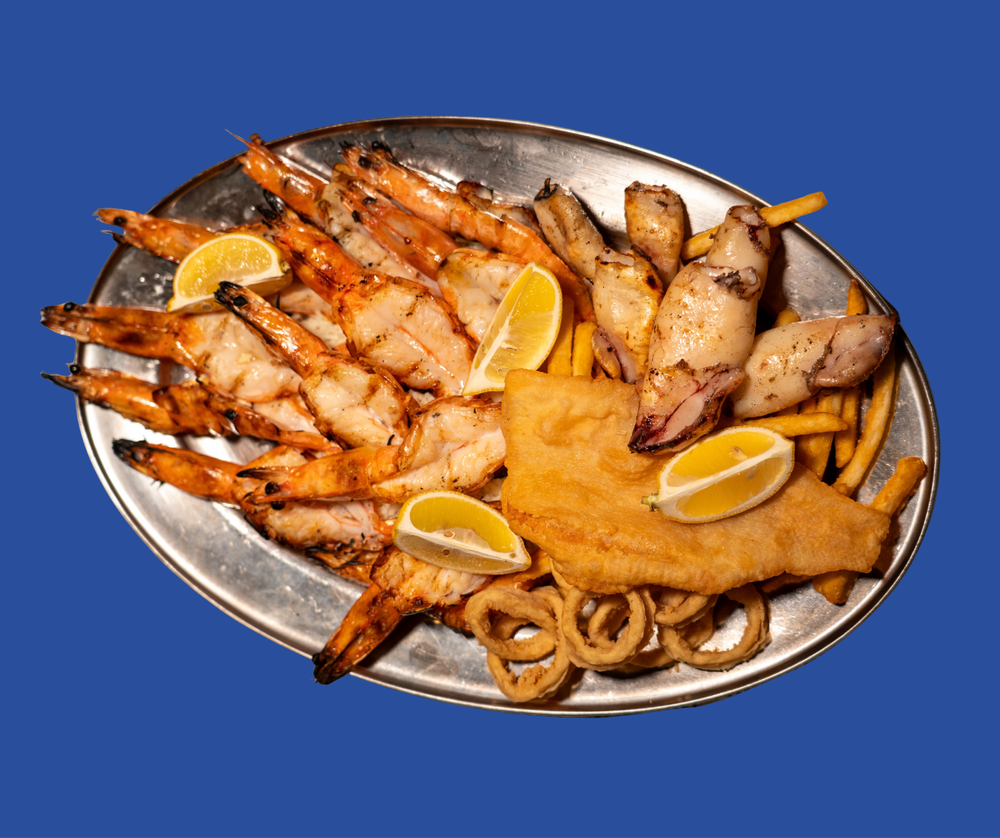
Psari is a market-style seafood restaurant in Sofia. The concept is transparency: whole fish sold by the kilo at fixed unit rates, priced against what the market delivered that morning.
Food cost runs 28–35% of sales in this sector, and prime cost is targeted at around 60–65%, so a restaurant's margin is decided in the gaps. Delivery aggregators take roughly 25–30% of the ticket, which makes the direct channel a margin question rather than a marketing one. The same cover, ordered through a different door, is a different business.
The constraint is service. Mid-service nobody logs into an admin panel, and any system that costs the kitchen attention during service is abandoned inside a month. Selling by the kilo sharpens it: the price moves with the market, so the failure point is a guest ordering at the price the site published last week, and the pass either absorbing the difference or having the conversation at the table.
We designed and engineered the site from the ground up, then built the operational tools behind it, for people whose hands are full at 8pm on a Friday. The test we designed to was the kitchen's, not ours: the whole menu, including the day's market-price fish, republishes in one click without anyone leaving the pass.
We designed and built Psari's website along with five operational tools, each built for a job the restaurant does every day:
Google Sheet Menu Sync: Staff manage the entire menu from a single Google Sheet: names, descriptions, pricing, promos, photos, allergens, and toggles for whether a dish is available or 86'd. One click publishes across all seven menu sections, including the daily market-price fish.
Smart Table Reservations: Guests select dates, times, party sizes, seating preferences (indoor or garden), and request high chairs for kids under 12. The calendar calculates capacity in real time (free, full, closed), filters available times, and issues instant confirmation emails with a one-click cancellation link.
Zone-Based Delivery Engine: Automated distance pricing across Sofia neighbourhoods (€5 up to 5 km, €8 for 5–8 km, €12 beyond 8 km; pickup is free). Because whole fish is weighed to order, the flow carries a step where staff confirm the exact weight with the guest before it goes on.
Scheduled Checkout & Payments: Guests pre-order for a specific day and hour. The business logic enforces a 3-hour minimum lead time for fresh cooking, restricts orders to business hours, and caps each time slot so no single service is overloaded. It settles by myPOS card payment or cash on delivery.
Store Closure & Schedule Control: One switch governs the operating days. It skips the standing Monday closure automatically and takes a one-click custom closure for a holiday or a private event.
Looking for custom tools
like Psari's?
We build digital products and custom solutions that help businesses save time and scale faster.
book a call